





| Birmingham woman wishes she had become a train driver years ago Posted by Chris from Nailsea at 12:57, 21st March 2026 |     |
From the BBC:
'Becoming a train driver in my 40s was the best thing I ever did'
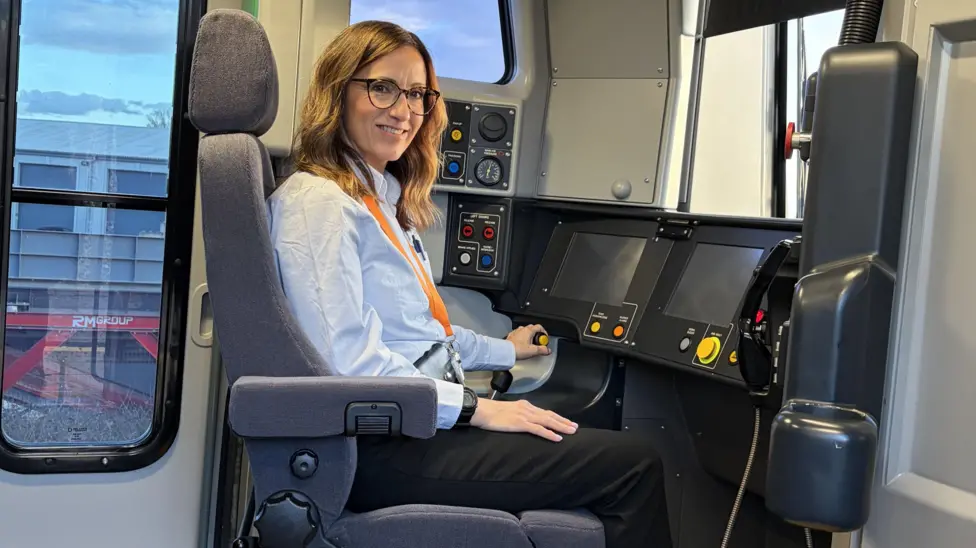
Sharon Paton, 49, started driving West Midlands Railway trains just over a year ago
"I absolutely love it, I wish I'd done it years ago," Sharon Paton says, of her decision to change careers to become a train driver in her 40s.
"I don't have any deadlines, I don't have to answer emails, I've got the best office window you can have, driving around the countryside."
While just over one in 10 train drivers are women, the Birmingham resident said she had not come up against any negativity about being in the minority. Paton said: "The first day I walked in, there was a cohort of eight drivers and I was the only woman and I thought, 'oh God, am I going to be accepted?' But it's been fine. You've earned your place."
Having previously worked in print and marketing for decades, Paton said she had got to a point where she fancied a change. "I'd always wanted to do a practical job, and my brother-in-law had just gone through the training for a train driver and said, 'why don't you try it?'."
She jumped at the idea, and now drives West Midlands Railway services between Birmingham, Redditch, Lichfield, Wolverhampton and Rugeley.
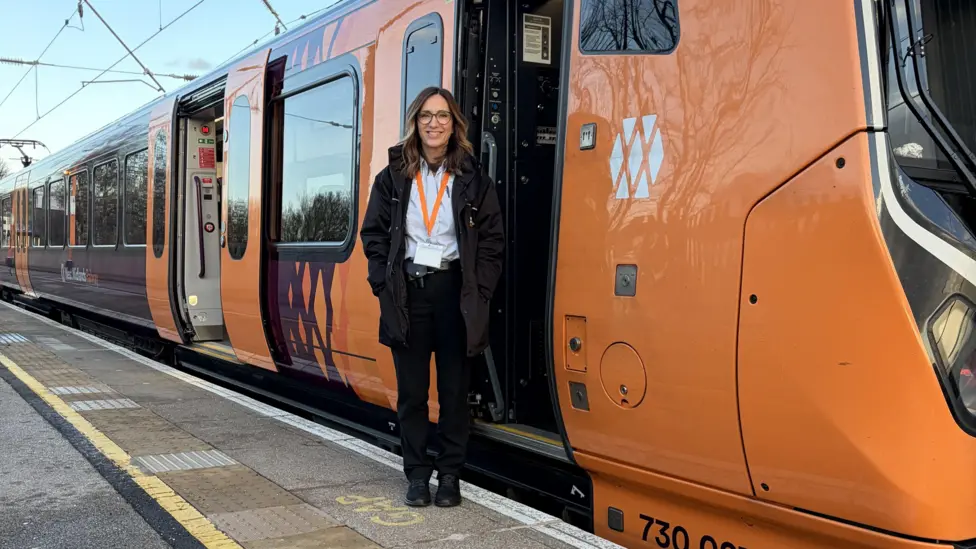
Paton is one of a growing number of female train drivers working for West Midlands Railway
Despite her enthusiasm, the rigorous 12-month training process caught Paton by surprise. "There's about 12 different rounds of testing, psychometric, cognitive, safety-critical stuff, problem solving and a couple of quite meaty interviews," she said.
Trainees also sit exams about railway rules, train maintenance and have 270 hours of supervised driving practice.
Though she began classroom training in November 2023, it was at least four months before she got near a train. At one point, she said she had found herself at a depot in the middle of the night looking at the underside of an engine, thinking, "what on earth have I done, how did I get here?".
"It's quite a shock to the system, that's for sure, after being in a marketing office," she laughed. "But also exciting and interesting too."
(BBC article continues)
Sharon Paton, 49, started driving West Midlands Railway trains just over a year ago
"I absolutely love it, I wish I'd done it years ago," Sharon Paton says, of her decision to change careers to become a train driver in her 40s.
"I don't have any deadlines, I don't have to answer emails, I've got the best office window you can have, driving around the countryside."
While just over one in 10 train drivers are women, the Birmingham resident said she had not come up against any negativity about being in the minority. Paton said: "The first day I walked in, there was a cohort of eight drivers and I was the only woman and I thought, 'oh God, am I going to be accepted?' But it's been fine. You've earned your place."
Having previously worked in print and marketing for decades, Paton said she had got to a point where she fancied a change. "I'd always wanted to do a practical job, and my brother-in-law had just gone through the training for a train driver and said, 'why don't you try it?'."
She jumped at the idea, and now drives West Midlands Railway services between Birmingham, Redditch, Lichfield, Wolverhampton and Rugeley.
Paton is one of a growing number of female train drivers working for West Midlands Railway
Despite her enthusiasm, the rigorous 12-month training process caught Paton by surprise. "There's about 12 different rounds of testing, psychometric, cognitive, safety-critical stuff, problem solving and a couple of quite meaty interviews," she said.
Trainees also sit exams about railway rules, train maintenance and have 270 hours of supervised driving practice.
Though she began classroom training in November 2023, it was at least four months before she got near a train. At one point, she said she had found herself at a depot in the middle of the night looking at the underside of an engine, thinking, "what on earth have I done, how did I get here?".
"It's quite a shock to the system, that's for sure, after being in a marketing office," she laughed. "But also exciting and interesting too."
(BBC article continues)
